Hematite (Fe2O3) deposits are vital to the global steel industry, but getting the iron-rich mineral out of the ground and ready for smelting is a multi-step process. Since hematite is a weakly magnetic mineral, specialized techniques are required to separate it efficiently from impurities (gangue).
Here is a brief look at the primary stages and methods used in modern hematite mining and beneficiation (ore upgrading):
1. Mining Technique: Surface Dominance
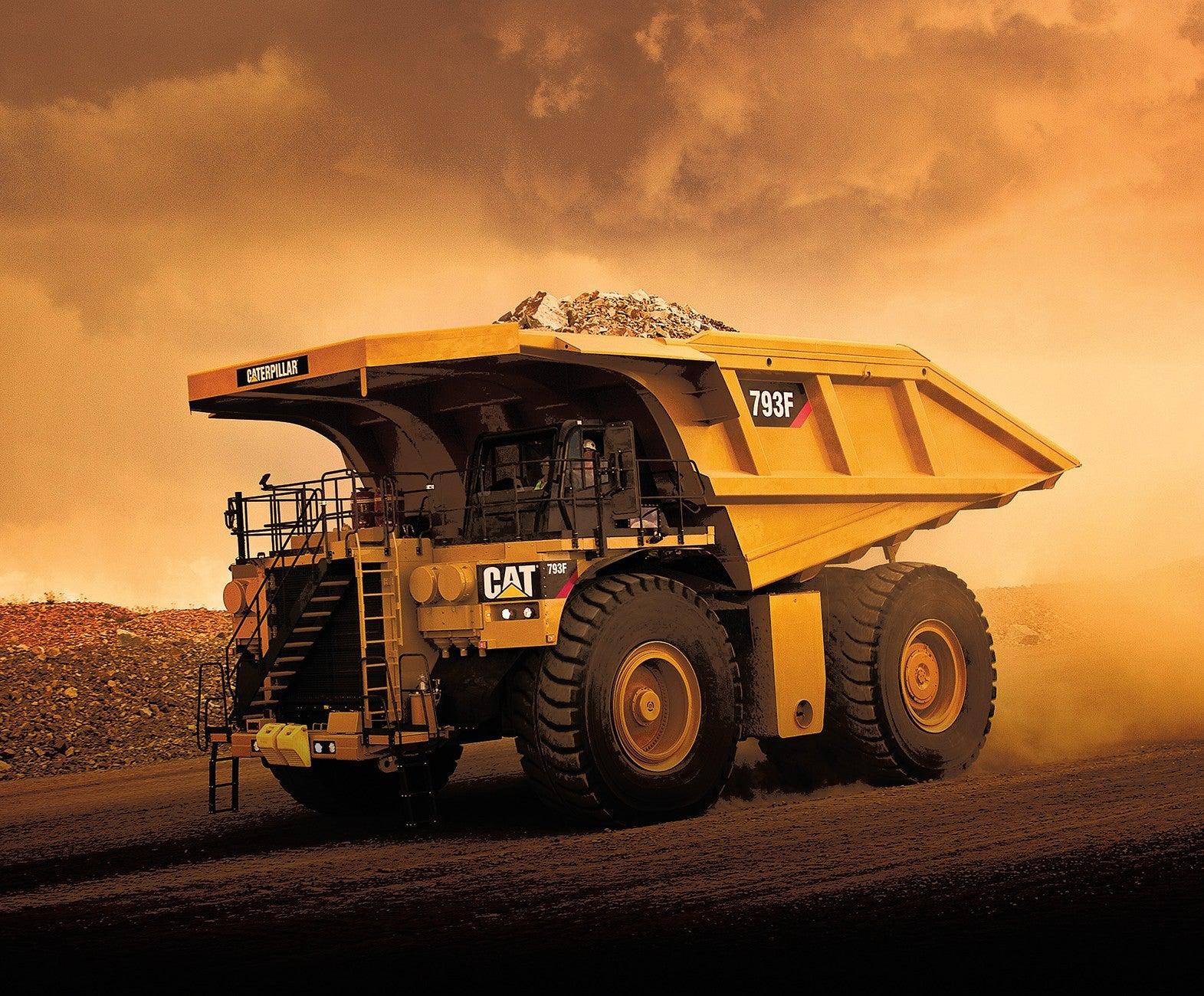
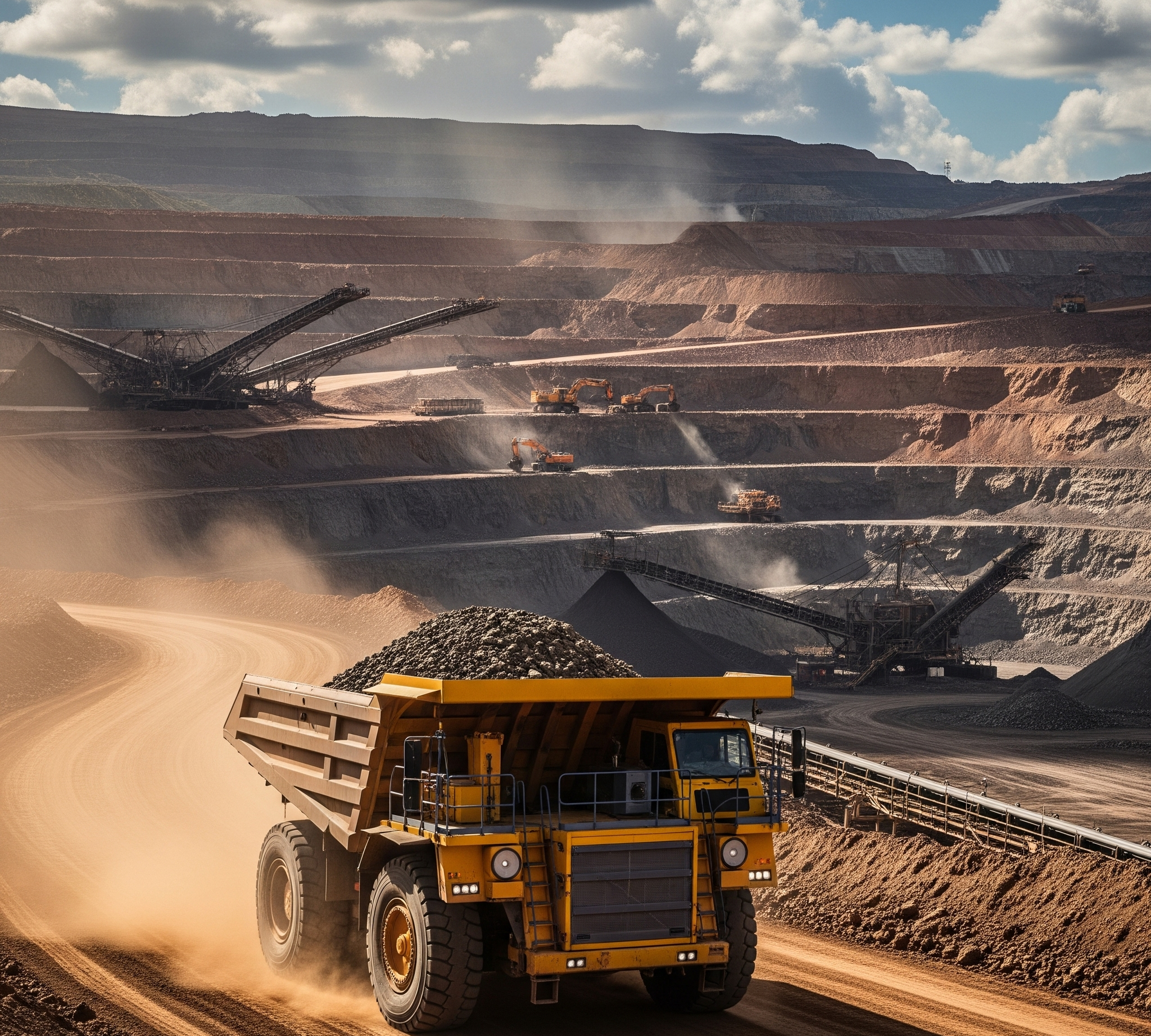
Most large-scale hematite reserves are near the Earth’s surface, making open-pit mining the most common and cost-effective extraction method.
- Open-Pit Mining: This involves drilling, blasting, and hauling massive quantities of rock (ore and waste rock) in a continuous cycle. This scale of operation is necessary to meet the enormous demand for iron ore globally.
2. Preparation: Crushing and Grinding
Once extracted, the raw hematite ore undergoes comminution to prepare it for separation.
- Crushing: Large chunks of run-of-mine (ROM) ore are reduced in size using jaw and cone crushers.
- Grinding (Milling): The crushed ore is further ground into a fine powder (slurry) using ball mills or rod mills. This step is crucial, as it liberates the fine hematite particles from the surrounding impurities.
3. Beneficiation (Ore Upgrading) Methods
The fine powder is subjected to various separation techniques, often used in combination, to increase the iron content (grade) and reduce impurities.
A. Gravity Separation
This method relies on the difference in density (specific gravity) between the heavy hematite and the lighter gangue minerals (like quartz).
- How it Works: Techniques like spirals and shaking tables use water and movement to stratify the particles; the denser hematite settles faster and is collected separately. This is most effective for coarser particles.
B. Flotation
Flotation is primarily used for very fine-grained hematite, especially to remove silica and other complex impurities.
- Reverse Flotation: This is the most common approach. Chemicals (collectors) are added to make the undesirable gangue minerals (e.g., silica) hydrophobic, causing them to attach to air bubbles and float to the surface as froth, which is then skimmed off.
C. Strong Magnetic Separation
Since hematite is weakly magnetic, it requires powerful separators, unlike the highly magnetic magnetite.
- High-Intensity Magnetic Separators (HIMS): These machines use strong magnetic fields to attract and separate the hematite from the non-magnetic waste.
D. Magnetizing Roasting
For complex or low-grade hematite ores, an energy-intensive pre-treatment is sometimes necessary.
Process: The hematite (Fe2O3) is heated in a reducing atmosphere (roasting) to chemically convert it into the highly magnetic mineral, magnetite (Fe2O3). This “magnetized” ore can then be easily and cheaply separated using standard, low-intensity magnetic separators.
Summary:
The journey of hematite from rock to refined concentrate is a blend of brute-force mining and sophisticated mineral processing. The choice of beneficiation method is highly dependent on the specific mineralogy and impurity profile of the deposit, ensuring a high-grade product for the world’s steel mills.